The Two-Price Structure Behind Buying At The Vintage Club
August 6, 2026
A cottage inside The Vintage Club recently traded near $2.95 million. That is the number a buyer sees on the portals. It is also the smaller half of what the buyer will actually write checks for. The membership sitting on top of the residence is priced, structured, and gated in a way that makes The Vintage behave less like an Indian Wells address and more like a private equity position that happens to include a house.
For a buyer comparing clubs across the Coachella Valley, that distinction is the whole story. The public listing shows the residence. The residence is the entry ticket. The ticket has its own price, its own approval process, and its own resale mechanics, and none of it appears in the MLS field marked "list price."
Membership at The Vintage is equity-based, invitation-only, capped, and required for anyone who wants to own inside the gates. Publicly circulated figures for initiation and annual dues do not agree, which is itself a piece of information a serious buyer should absorb before ever writing an offer.
| Source | Initiation | Annual Dues | Other |
|---|---|---|---|
| Country Club Magazine | $300,000 | $28,000 | $10,000 F&B minimum; $25,000 capital assessment |
| Munselle Group | $300,000 | $45,000 | No F&B minimum; under-55 payment plan available |
| RealEstateRanchoMirage | $300,000 | $54,000 | 505-member cap, equity value cited at $100,000 |
| YourResortHome | $250,000 | $32,000 | Equity membership |
The estimated initiation fee for a golf membership is $300,000, annual dues are $28,000, there is a food and beverage minimum of $10,000 per year, and members are also required to pay a one-time assessment of $25,000 used to fund capital improvements to the club. A separate industry writeup lists $300,000 initiation and $45,000 annual dues with a maximum of 505 golf members and no F&B minimum, plus an under-55 option to put $50,000 down and pay $50,000 per year until the initiation is complete. A third source pegs initiation at $300,000, annual dues at $54,000, and describes the club as equity-owned with equity currently valued at $100,000 per membership. A fourth reports $250,000 equity initiation and $32,000 in annual dues at a residents-only club.
The variance is not a research failure. It is the reality of a club that does not publish a rate card. Direct confirmation with the club, in writing, is the only figure that matters at the offer stage. Any advisor who quotes you a single number without sourcing it is guessing.
Add the two sides together at the low end of published reporting and the entry cost on a $2.95 million cottage climbs to roughly $3.25 million before the first year of dues. At the high end it climbs further, and none of that spend flows to the seller of the home.
The structure exists because it is designed to. The Vintage is a member-owned, residents-only community where membership requires nomination by existing members and a requirement that the member own real estate within the Club's 712 acres. Members must be sponsored by two existing members and approved by the club's board of directors. The 505-member ceiling means that at any given moment the pool of qualified buyers for a Vintage home is a small, defined universe: people the current membership will vouch for who also want to buy real estate here and are willing to underwrite the second price tag.
That is the mechanism a mid-market comparable analysis will miss. Two Indian Wells homes at similar price per square foot are not fungible if one sits inside an invitation-only equity club and the other does not.
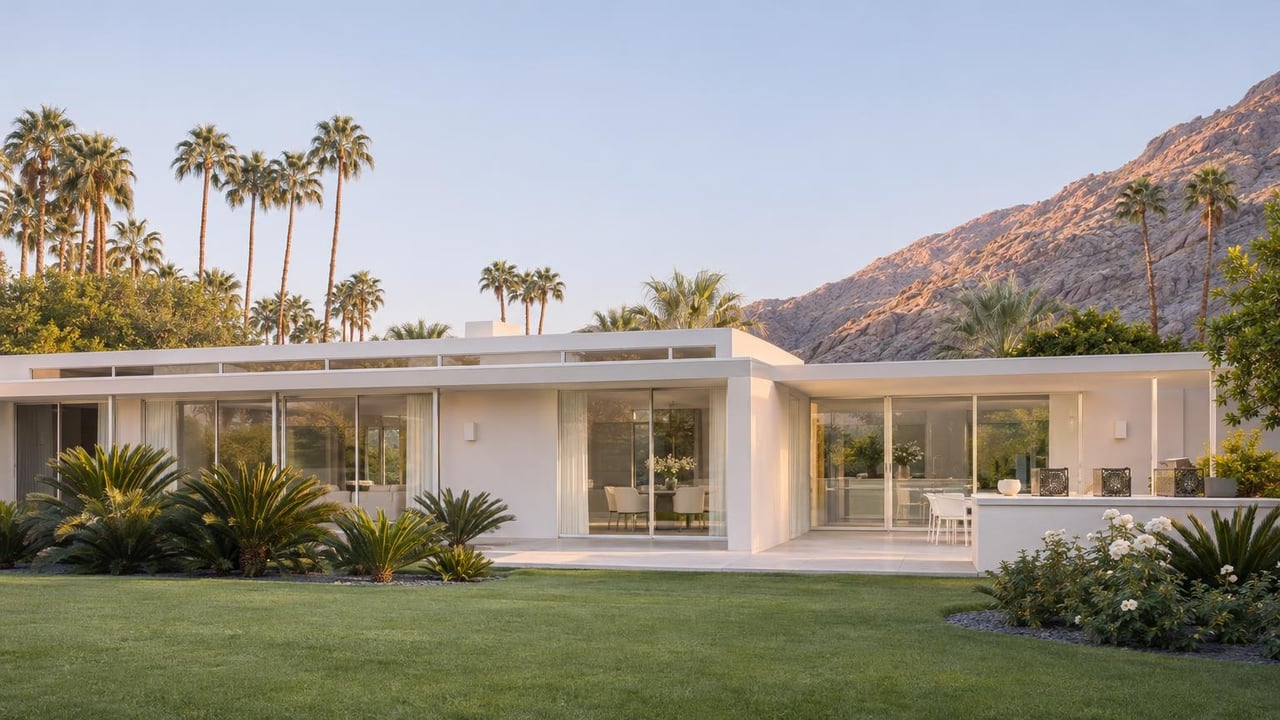
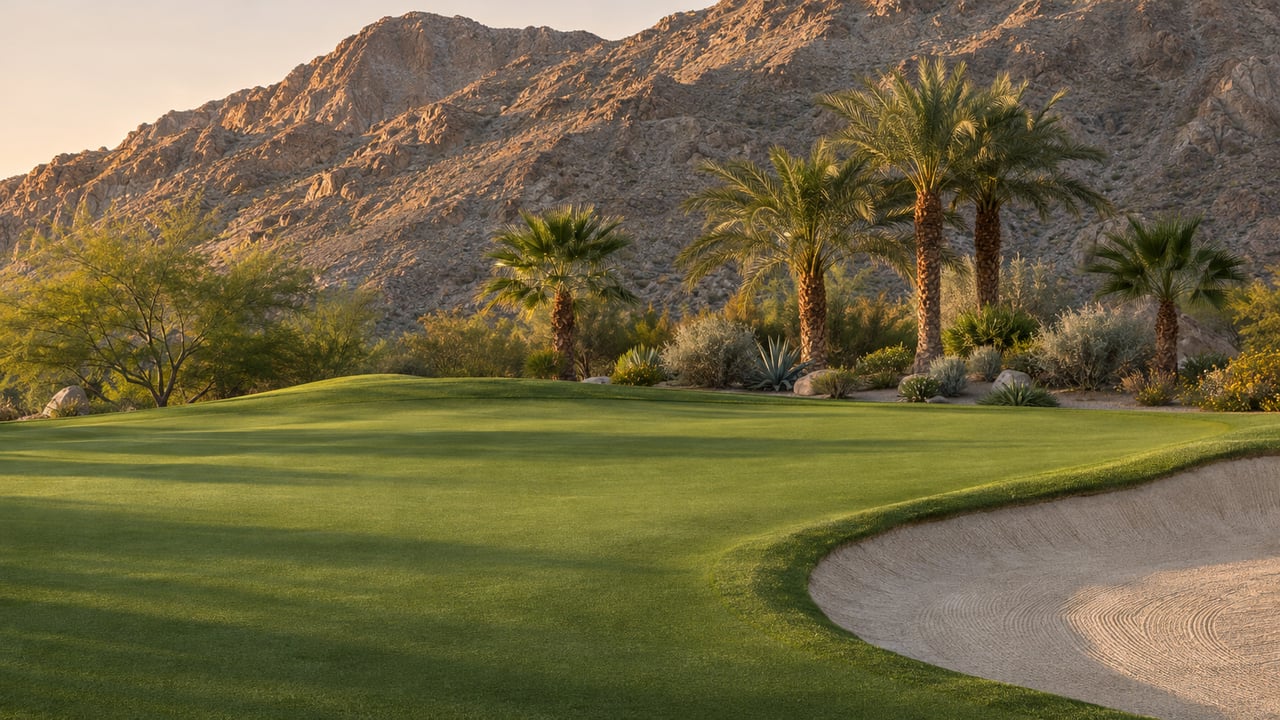
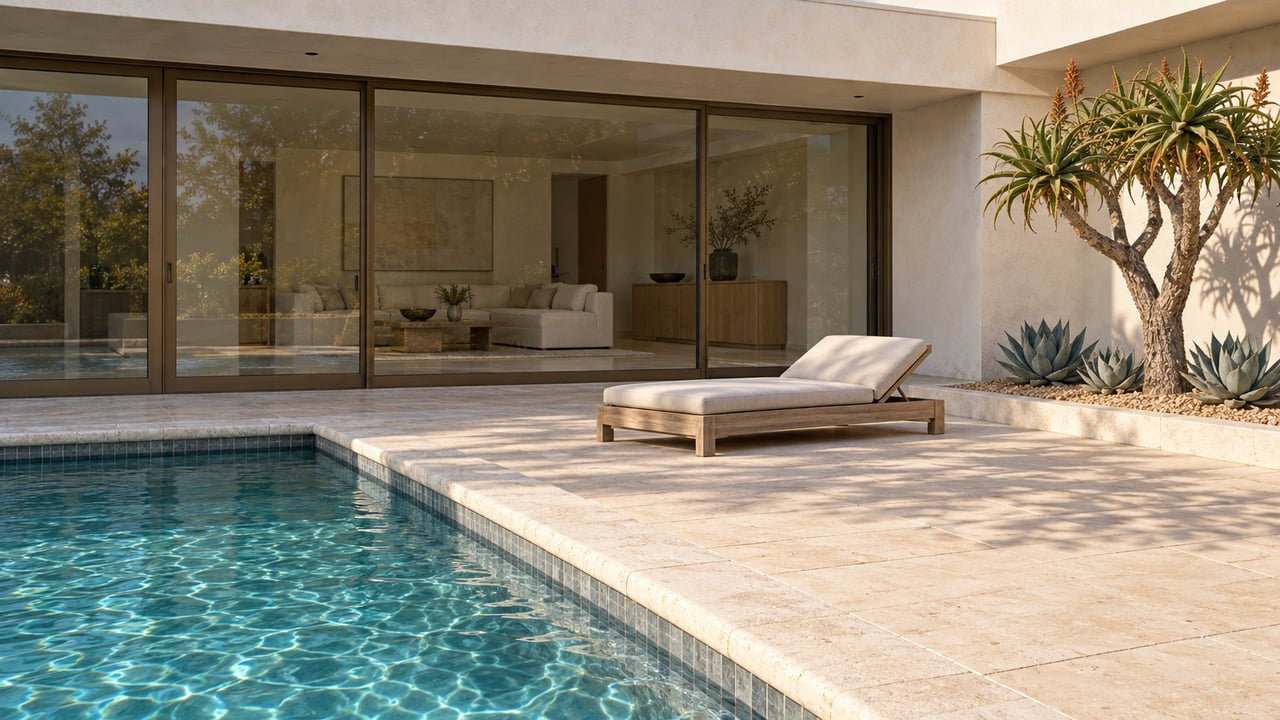
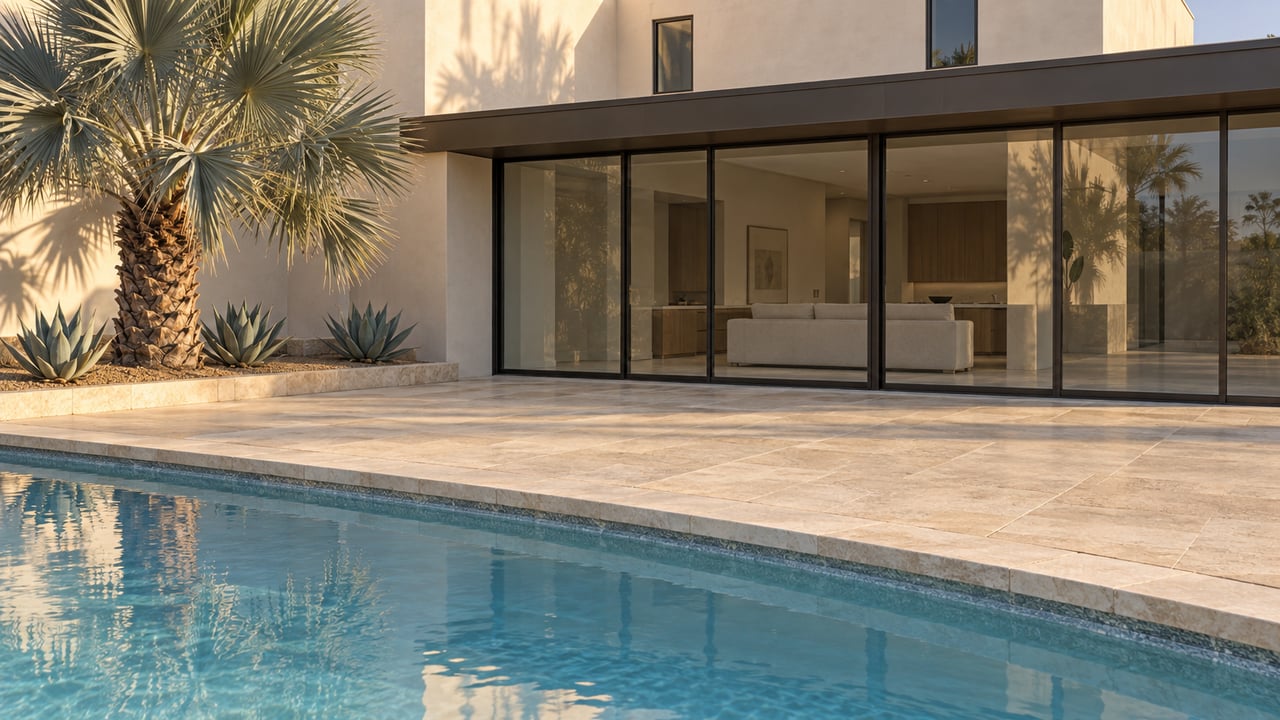
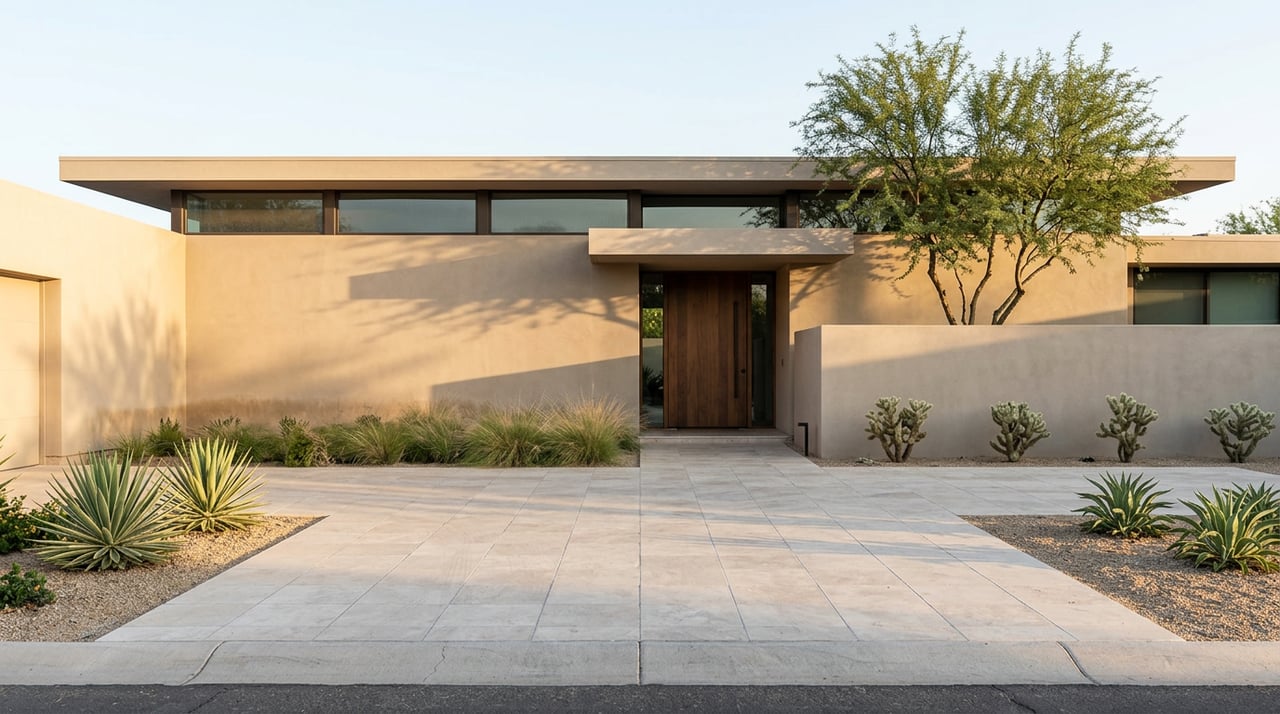
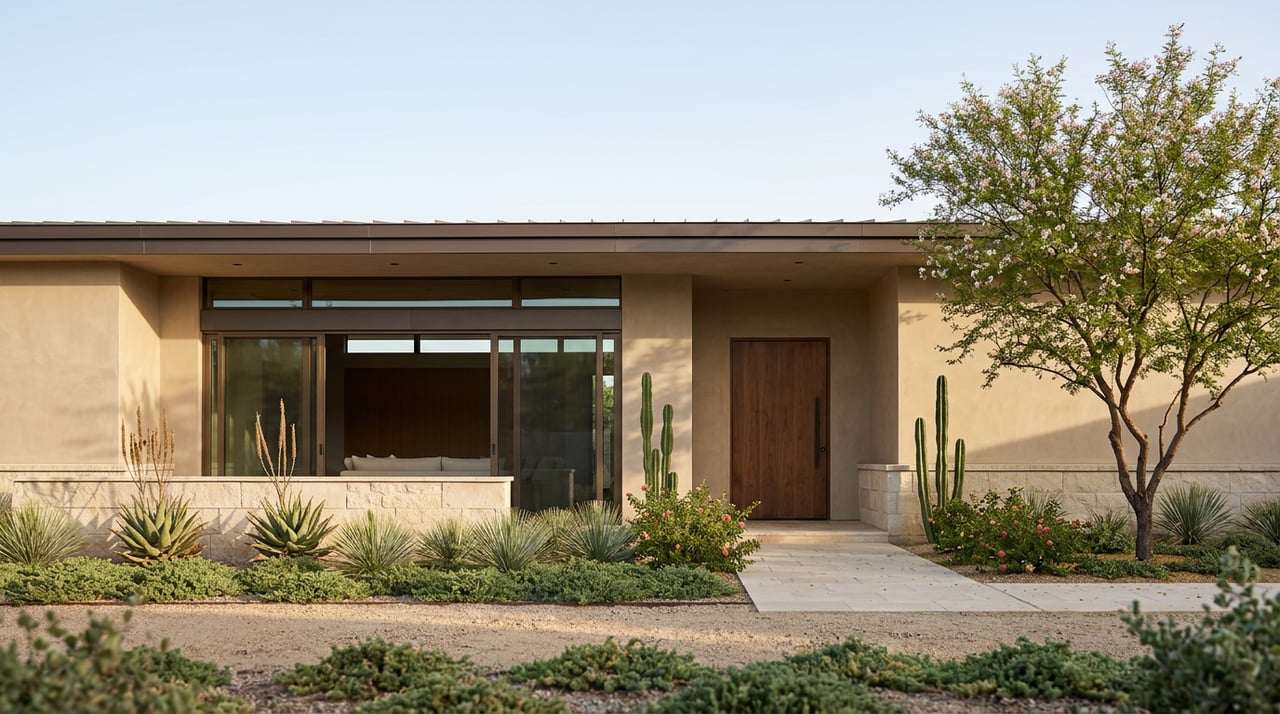
The Vintage opened in 1979 and consists of 513 homes on 712 acres nestled at the foot of Eisenhower Mountain with the San Jacinto and Santa Rosa Mountains behind. The residential product is not one thing. Buyers should read the sub-community as a decision, not a detail.
HOA obligations track that product mix. Reported monthly dues run roughly $1,194 to $3,581 depending on which association a home belongs to, with the Terraces on the higher end because of the concierge program. A buyer who compares two Vintage listings without pulling each association's budget and reserve study is comparing labels, not economics.
The amenity plant supporting all of this is significant. The recently renovated 85,000-plus square foot clubhouse features indoor and outdoor dining at Lakeview Grille, the multi-tiered Crystal Ballroom, and a card room. The Paddock, the club's Golf Performance Center, delivers instruction through the club's team of coaches. An 18,000-plus square foot Fitness and Wellness Center adds spa, salon, group exercise, and Pilates and Gyrotonics studios. Two Tom Fazio courses, tennis with clay surfaces, bocce, pickleball, and a fenced dog park round out the physical footprint.
The reporting on current market behavior is directional and worth reading with a skeptical eye. As of early 2026, one Coachella Valley brokerage report describes 2025-2026 data showing club membership commanding $600K to $800K premiums over comparable non-club properties, sustained demand at The Vintage with properties selling around 10% above asking, and the BNP Paribas Open in March driving Q1 and Q2 activity. The same report attributes Indian Wells appreciation of 16% in 2025 to ultra-high-net-worth demand from Los Angeles and international buyers. Treat these as one firm's read, not a market-wide index.
The interesting mechanic is not the premium. It is the shape of the market that produces it. When the qualified buyer pool is bounded by an invitation, days-on-market becomes a poor signal. A Vintage listing may sit while the seller waits for the right sponsored buyer to surface, then trade quickly at or above ask when that buyer materializes. Neighboring clubs where membership is more openly transferable trade on a smoother curve. The Vintage trades in jumps. That has real implications for how you write an offer, how you price a listing, and how you interpret a comparable that closed six months ago.
Three practical questions to work through before you commit.
Can I tour The Vintage without a member sponsor? Access is controlled. The two golf courses are member-only play with no tee times and no unaccompanied golf play. A buyer tour is coordinated through a listing agent with club approval.
Is the membership refundable if I sell? Membership is equity-based, meaning it has a resale value tied to club policy. That is materially different from a non-equity model, and the mechanics of transferring the equity at sale should be walked through with the club and your broker before you sign anything.
Do I have to be a golfer? No. The tennis complex, spa, wellness center, and dining are part of the same membership. Golfing intensity varies widely across the roster.
When does the market move? The BNP Paribas Open in March typically drives significant buyer activity in Q1 and Q2. Sellers who want to catch that traffic prepare listings in the fall.
Buying inside The Vintage is a two-part transaction dressed as a one-part listing. Read it that way from the first showing and the rest of the process gets a great deal clearer. If you are weighing a Vintage residence against another Indian Wells club, or preparing to bring one to market, Your Luxury Agent offers senior-level, hands-on representation grounded in the club-by-club detail these decisions actually turn on. Schedule a Private Consultation.
She brings extensive market knowledge and expertise in the luxury real estate market and consistently earns a position in Palm Springs Life's Top Real Estate Agent annual publication.